
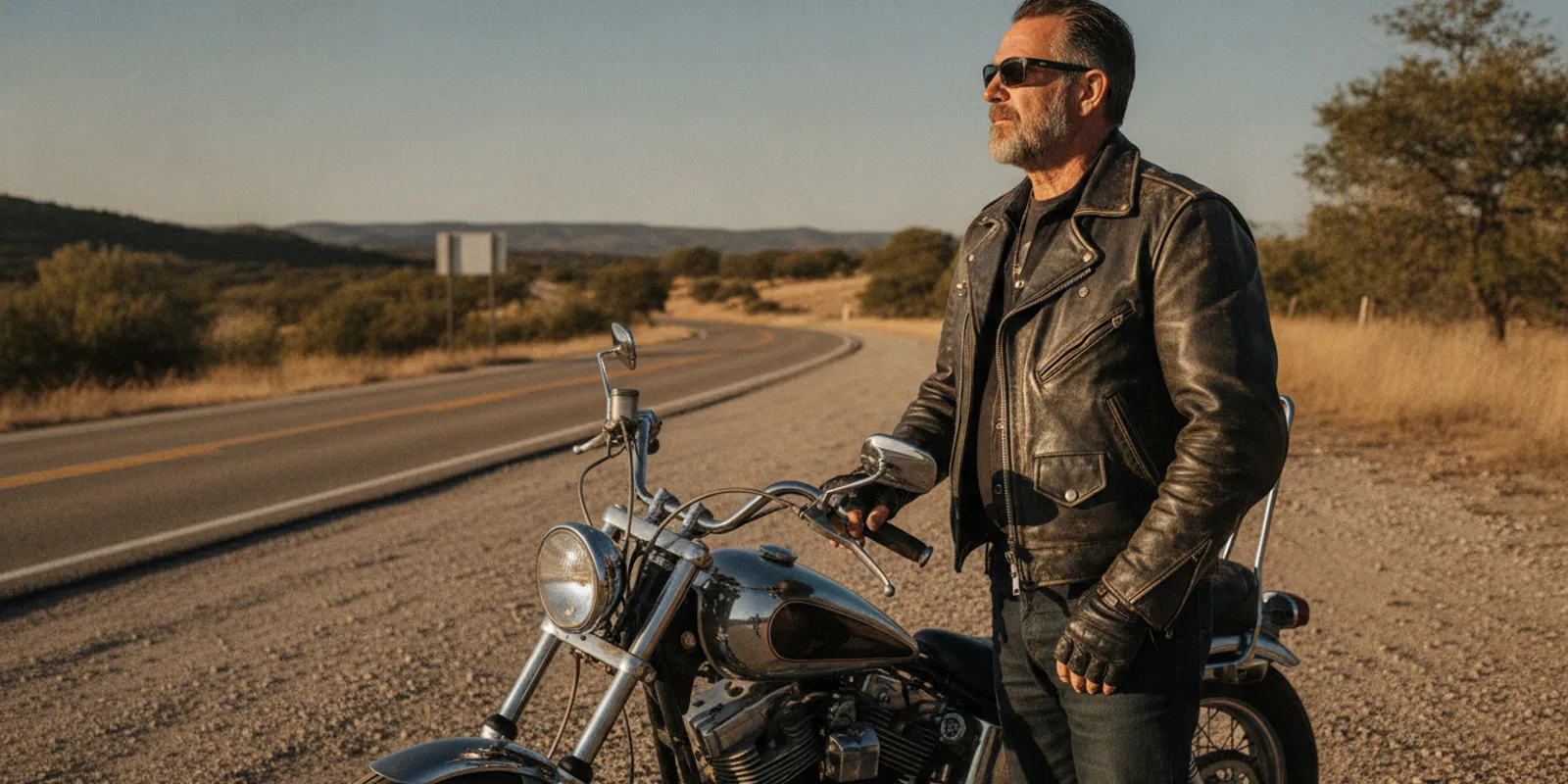
Choosing between a vented and non-vented motorcycle jacket starts with the rides you actually take. The vented vs non vented motorcycle jacket decision is about more than a warm afternoon: temperature, traffic, speed, route length, and your plans for layering all affect how a jacket feels. Pick for the conditions you encounter most, then decide how you will handle the days outside that range.
Call to compare jacket options
What is the difference between a vented and non-vented jacket?
A vented jacket has openings or panels designed to let air move through or around the garment. The placement, size, closure, and construction of those vents vary by jacket. When the motorcycle is moving, airflow may make a warm ride feel less stifling. The effect depends on the jacket, its fit, your riding position, the route, and the weather.
A non-vented jacket has a more closed construction, without the same ventilation openings. That can suit riders who prefer less direct airflow, especially when they often ride in cool conditions or want space for layers. But the label alone does not tell you whether a jacket is insulated, waterproof, or windproof. Those features must be confirmed in the item's own description.
Think of venting as one design choice, not a complete weather rating. A vented jacket can still feel hot in direct sun or when you are stopped. A non-vented jacket can still feel cold in a long ride at speed. Your jacket's materials, fit, closures, and the layers beneath it all play a part.
When is a vented jacket the better fit?
Consider a vented design when heat is a regular issue, not just an occasional inconvenience. It may be a sensible starting point if much of your riding happens in warm weather, on slow urban streets, or during long summer rides. At low speeds and frequent stops, the cooling effect of moving air can be limited, but a jacket that allows more airflow may still feel more comfortable than a closed design.
Riding pace matters. On an open road, air moves across the jacket more consistently than it does while waiting at a light. That airflow may feel welcome on a hot day, but the same exposure can feel chilly when the temperature drops or the route climbs into cooler conditions. A rider who starts in a warm valley and continues into a cool evening should think about the entire route, not only the departure forecast.
Look at the actual vent arrangement before deciding. Ask where the openings are, whether they close, and whether they will remain clear in your riding posture. A backpack strap or another layer may cover a vent. If a product listing does not explain a feature you need, do not infer it from a photograph; check the listed details or ask before ordering.
One example to inspect is the Milwaukee Leather men's tall-size vented jacket. Review the product's own details and sizing information, then compare them with your route and the layers you expect to wear. A product page can help you verify what a particular jacket offers; it cannot decide which weather conditions matter most to you.
When does a non-vented jacket make more sense?
A non-vented jacket may be a closer fit if your regular rides are cool, your warm-weather miles are limited, or you prefer a less open construction. It can also give you a simpler starting point for layering: instead of managing air openings, you decide what to wear underneath and remove or add a layer as conditions shift.
That does not mean a non-vented jacket automatically keeps you warm. Construction, lining, fit, and the layers underneath influence comfort. Nor should you assume that a closed design keeps out rain or blocks wind. If one of those features matters, look for a clear statement about it in the specific jacket's product information.
Be honest about the warmest conditions in which you ride. A jacket that feels right on a cool morning may become uncomfortable after the day warms up, particularly on a long ride or in traffic. If you do not want to carry or remove layers, that tradeoff should be part of the decision rather than an afterthought.
Hot Leathers has other leather-jacket styles to compare, including this leather jacket with studs and fringe. Use each product's listed details to check its construction; do not assume a style name tells you how it handles air, warmth, or wet weather.
Which construction suits your usual riding conditions?
| Riding situation | Vented jacket | Non-vented jacket | What to plan |
|---|---|---|---|
| Warm days and hot traffic | Airflow is a useful priority to consider. | May feel less comfortable if heat builds up. | Account for stops, shade, and how much air reaches the jacket at your pace. |
| Cool morning, warmer afternoon | Air may feel cold at first and welcome later. | May feel comfortable early, then warm later. | Choose removable layers and consider whether vents can be managed. |
| Long open-road ride | Moving air can be noticeable, for better or worse. | Less open construction may suit a cool route. | Check conditions along the whole route and bring a layer for changes. |
| Short local rides | Worth considering when local weather is hot. | Worth considering when local weather is mostly cool. | Prioritize your common season and traffic pattern. |
| One jacket for mixed weather | Can work with a plan for cooler stretches. | Can work with a plan for warm stretches. | Check garment details and decide what you will carry or change. |
This comparison is a decision aid, not a promise about how any particular jacket performs. The same garment can feel different to two riders, or to one rider on separate days. A fast, open-road route exposes you to more moving air than slow traffic; a fit that leaves room for layers can feel different from a close fit. Use the table to identify what to verify, then rely on the product details for the specific jacket.
How should you include riding pace and route length?
Temperature is only one part of the choice. Consider how long you stay on the bike, where you ride, and how often you stop. A five-minute ride across town may not expose you to the same conditions as a full afternoon on open roads. Conversely, repeated short errands in hot, slow traffic can make airflow a day-to-day concern even when each ride is brief.
For a long ride, think through the route in stages. Write down the likely conditions at departure, during the middle of the ride, and near the return. Ask whether the road is mostly open or congested, whether you expect shaded or exposed stretches, and whether you can pause to adjust layers. The answer may point to a vented jacket plus a removable layer, or a less open jacket with a plan for warm periods.
Make a simple ride profile before shopping:
- Most common ride: Note the season, typical time of day, usual duration, and whether you ride in town or on open roads.
- Most uncomfortable ride: Identify whether heat, cold, changing weather, or stop-and-go traffic is the recurring problem.
- Outlier to prepare for: Decide what you will do on the unusually warm or cool day: carry a layer, change jackets, or adjust the route.
This exercise keeps the decision grounded in real miles rather than a single unusual ride. If warm weather is your routine and cool weather is the exception, favoring airflow may make sense. If cool weather dominates and hot days are rare, a less open design may better match your use. For a truly broad season, be prepared to manage tradeoffs; neither construction erases changing weather.
How can layers change the decision?
Layers help you respond to temperature changes, but they also affect fit and movement. Try the jacket with the base or mid layer you expect to wear, not only over a thin shirt. Sit or stand in your usual riding posture, reach forward as you would for the controls, and check for pulling across the shoulders, chest, and arms. The jacket should allow comfortable movement with your intended combination.
With a vented jacket, a light layer may help during a cool start or evening stretch. Do not assume that a layer will seal every opening or provide a particular level of warmth. Check what the jacket's construction allows and confirm any feature you rely on. With a non-vented jacket, removable layers give you options when the afternoon warms, but too much bulk can make movement uncomfortable.
Think through what you can reasonably carry. A layer that stays at home cannot help when the ride runs late. If you bring an extra garment, decide where it will go and whether your carrying setup leaves the jacket's vents clear. A thigh bag option is one product to review for carrying small items, but check its own dimensions and details to see whether it suits what you intend to bring.
Fit should be checked in a riding stance, not judged only while standing upright in front of a mirror. If you want to compare a separate leather style, review the jacket's product details alongside its fit information. Do not size up automatically for layers; follow the sizing guidance and assess how the garment moves with the layers you will actually use.
What should you check on the product page?
Before buying, read the product details for the exact garment rather than relying on a broad label or photo. Check the stated vent placement and closures, lining information, materials, and any other feature that matters to your ride. If a detail is not stated, treat it as unknown and ask for clarification instead of assuming.
- Match the need to a feature. If airflow is the main reason you are shopping, confirm the jacket is described as vented and inspect how the openings are arranged.
- Read the sizing guidance. Consider your riding posture and intended layers. Look for a fit that lets you move without excessive looseness or restriction.
- Check the full weather plan. Do not assume venting, leather, or a closed front means a particular level of rain or cold protection. Confirm explicit product claims.
- Review care instructions. Follow the care information supplied for the materials and construction of the item you choose.
- Compare with your real route. Imagine wearing it at the slowest, fastest, warmest, and coolest points of your usual ride.
Think about the rest of your riding outfit, too. A pair of biker shoes is a separate apparel choice, not a way to solve a jacket's temperature tradeoff. If you use trouser clips, review the listed riding pant clips as a distinct accessory and check that any gear combination remains comfortable when you sit on the bike. Keep each item decision tied to its own stated purpose.
Does venting tell you anything about protection?
No. The presence or absence of vents alone does not establish a protective rating or tell you which protective features a jacket includes. Check the specific product information for construction and any stated protective elements. Choose your full riding gear with the same care, and do not treat a comfort feature as proof of a safety feature.
For broader riding-safety preparation beyond this comfort comparison, consult NHTSA's motorcycle safety resources. A jacket's airflow is only one part of choosing gear and preparing for a ride; the agency's resources can help readers find general motorcycle safety information.
Also keep rain and cold-weather expectations separate from the vented/non-vented distinction. Neither label tells you by itself how the jacket performs in wet conditions. If wet-weather performance or warmth is important, look for an explicit description of that feature on the item you are considering. Build the rest of your gear around the conditions rather than relying on one label to answer every question.
How do you make the final call?
Choose vented when heat and airflow are recurring concerns, and you have a practical plan for cooler starts, evening miles, or changing elevations. Choose non-vented when your usual riding is cool or you prefer a less open design and can manage warm periods with your route, timing, or clothing. If your rides span both extremes, decide which condition is more common and identify the extra step that covers the exception.
Before you settle on a jacket, ask yourself four questions: What weather do I ride in most? How much time do I spend moving versus stopped? How long are my usual rides? Will I bring layers, and does the fit work with them? The answers should narrow the choice more reliably than buying for an idealized all-weather jacket.
If you are weighing a vented option, compare the Milwaukee Leather vented jacket's listed details with your riding needs. Hot Leathers has been on the road since the 1970s, with motorcycle apparel for riders who want to choose gear based on their own miles and preferences. Confirm the product features and sizing details before making your decision.
Call to discuss jacket details
Try the choice against three real rides
A quick scenario check can expose a mismatch before you order. Consider three rides you might take during the same month: a warm afternoon commute through traffic, a cool early-morning start followed by a longer open-road run, and a weekend ride where the temperature changes before you get home. For each one, ask what would make you uncomfortable and what you can realistically change. The best choice is the one that fits your most common use without leaving you unprepared for the other two.
Scenario one: warm traffic and frequent stops
If your usual ride crosses town on a hot day, airflow may rank high on your list. Still, consider the stretches where the bike is moving and the stretches where you are stopped. A vented jacket may improve airflow while underway, but it cannot make a stationary stretch feel cool. Think about route timing and shade as well as jacket construction. Confirm that the item is actually described as vented, and check where its openings sit in your riding posture. Avoid assuming that every vent is adjustable or that any particular closure is present unless the product information says so.
Scenario two: a cold start and a warm finish
For a ride that begins cool and ends warm, make a layer plan before choosing. With a vented jacket, an extra layer may help at the start, but verify that the combined fit is comfortable and that the layer does not interfere with the jacket's features. With a non-vented jacket, a removable layer can help you respond as the day warms, but removing an inner layer may not change the airflow through the outer garment. Ask which adjustment is easier for you to carry out during the ride. If neither setup sounds workable without discomfort, consider whether a different jacket for that season is more sensible than demanding one garment cover every condition.
Scenario three: a long route with uncertain weather
On a longer route, the return trip matters as much as the departure. Write down the likely conditions at both ends and note where you might pause. If you choose vented construction because most of the miles will be warm, decide what you will do if the ride runs late or the weather cools. If you choose non-vented construction for a cool route, decide how you will handle a warm spell. A plan can be as simple as carrying a removable layer or choosing a shorter route if conditions change. The point is to choose deliberately rather than discovering the tradeoff after the ride is underway.
These examples also show why there is no universal winner. Riders with the same motorcycle can have different routes, schedules, and comfort preferences. Make a short list of your own rides and rank them by frequency, not drama. Then check whether the jacket you are considering addresses the repeated problem and whether you can manage the less frequent exception. That is a more useful comparison than treating vented and non-vented as a contest with one answer for every rider.
Frequently Asked Questions
Is a vented jacket only for summer?
No. A vented jacket may suit other conditions when its features and your layers match the ride. Airflow can feel cold when temperatures fall, so consider the route and have a plan for cooler stretches.
Does non-vented mean warm or waterproof?
No. Non-vented describes the absence of the same ventilation openings; it does not by itself establish insulation, warmth, or rain performance. Check the exact product description for each feature you need.
Can one jacket work in hot and cool weather?
It may cover a useful range when the fit, design, and layers suit your rides, but no single choice is ideal in every condition. Decide which weather you encounter most and plan how you will handle the outliers.
Should I size up to fit layers underneath?
Do not size up automatically. Check the jacket's sizing guidance and try it with your intended layers in a riding posture. You want room to move without a fit that is excessively loose.
Choose for the conditions you ride most, verify the jacket's stated features, and have a clear plan for the weather beyond your usual range.