

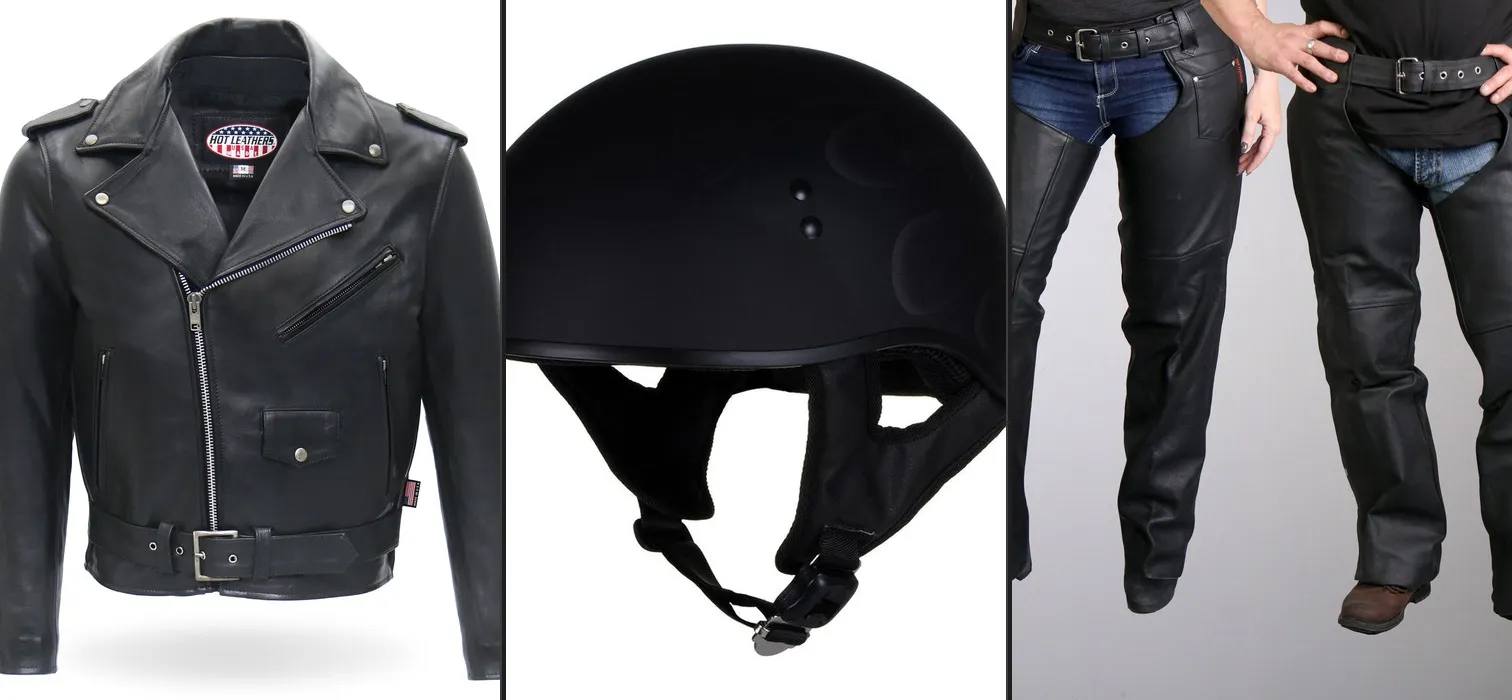
Your bike is an investment, and so is the gear you wear while riding it. The right apparel is one of the most important investments you can make in your own safety and long-term enjoyment of the road. It’s the only thing between you and the asphalt, but it also shields you from wind, rain, and road debris. Making the right choice means looking beyond the price tag to the quality of the materials, the construction, and the protective features. This guide will walk you through the key considerations for selecting high-quality motorcycle clothing that offers real value and protection, ensuring you’re covered for miles to come.
Key Takeaways
- Build Your Core Safety System: Every ride requires five essential pieces of gear: a DOT-certified helmet, an abrasion-resistant jacket, protective pants or chaps, full-fingered gloves, and over-the-ankle boots. Think of these items as a complete system that protects you from head to toe.
- Prioritize a Proper Fit and Key Features: Your gear only works if it fits correctly, so make sure it's snug enough to keep armor in place without restricting your movement. When shopping, look for critical features like certified armor, zippered vents for airflow, and reflective details for better visibility.
- Master Layering for All-Weather Comfort: Adapt to changing conditions by using a simple layering strategy. A moisture-wicking base layer, an insulating mid-layer (like a fleece or vest), and a wind-blocking outer shell allow you to stay comfortable and focused on the road, no matter the weather.
What Motorcycle Gear Do You Actually Need?
Hitting the road is about freedom, but smart riders know that real freedom comes from being prepared. Your gear is more than just part of the look; it’s a functional system that keeps you safe, comfortable, and focused on the ride. While you can build your collection over time, there are a few non-negotiable pieces every rider needs before they even think about throwing a leg over their bike. Let’s break down the essential gear from head to toe.
Helmets
Let's start with the most important piece of gear you'll ever own: your helmet. This isn't just a recommendation; it's the single most critical item for protecting your head in an accident. A quality, well-fitting helmet can drastically reduce the risk of serious injury. When you're choosing one, focus on getting a snug, comfortable fit and ensuring it meets or exceeds DOT safety standards. Your helmets are an investment in your own safety, so never compromise on quality. It’s the one piece of gear you hope you’ll never need, but you’ll be glad you have it if you do.
Jackets
A proper motorcycle jacket does more than just cut the wind and make you look the part. It’s your personal armor against the elements and the asphalt. A good jacket should be made from durable, abrasion-resistant material like leather or a heavy-duty textile. Look for features like reinforced stitching and built-in armor at the elbows, shoulders, and back for impact protection. The fit is also key; it should be snug enough to keep the armor in place but still allow for a full range of motion. A well-chosen motorcycle jacket is a core part of any rider's wardrobe.
Pants and Chaps
Your regular jeans aren't going to cut it in a slide. Your legs are exposed to the engine, the exhaust, and the road, so they need real protection. Motorcycle-specific pants or chaps are made from abrasion-resistant materials designed to protect your hips, knees, and shins if you go down. Leather chaps are a classic choice, offering excellent durability and an iconic look while being easy to pull on over your pants. Whatever you choose, make sure you’re giving the lower half of your body the same level of protection you give your torso.
Gloves
Your hands are essential for controlling your bike, and they’re also one of the first things to hit the ground in a fall. A solid pair of riding gloves is a must. They protect your hands from impacts and abrasions with features like padded palms and reinforced knuckles. Beyond safety, gloves also improve your grip, reduce vibrations from the handlebars, and shield your hands from wind, sun, and road debris. They’re a small piece of gear that makes a huge difference in both your comfort and your safety on every single ride.
Boots
The right footwear provides a stable foundation for your ride. Motorcycle boots are specifically designed with features that your work boots or sneakers just don't have. Look for sturdy, over-the-ankle construction to provide support and prevent twists. Key features include reinforced toes and ankle protection, oil-resistant, non-slip soles for solid grip on any surface, and a shifter pad to prevent wear. Good boots protect you from the elements and road hazards while ensuring you have a firm footing every time you stop.
Leather vs. Textile: Which Is Right for You?
Choosing between leather and textile gear is one of the classic debates in the riding world. There’s no single right answer, because the best choice depends on your riding style, the climate you live in, and your personal taste. Think of it this way: leather is the undisputed champion of classic style and abrasion resistance, while textile is the versatile contender built for all-weather comfort and modern features. Many seasoned riders have both in their closet, grabbing the one that makes the most sense for the day's journey.
The good news is you don’t have to pick a side forever. Both materials offer excellent protection when you choose quality gear. Whether you’re drawn to the timeless appeal of a leather jacket or the technical features of a textile one, the most important thing is that you’re protected and comfortable on the road. Exploring different motorcycle jackets will give you a feel for the options available and help you decide what fits your needs best. Ultimately, the right gear is the gear you’ll actually wear every time you ride.
The Case for Classic Leather
There’s a reason leather has been the go-to choice for riders for nearly a century. Ever since the first modern motorcycle jacket appeared in 1928, leather has represented freedom, rebellion, and durability. It’s more than just protection; it’s a part of biker culture. When it comes to safety, full-grain leather is tough to beat for pure abrasion resistance. It’s a second skin that stands up to the road. Over time, a quality leather piece breaks in and molds to your body, creating a custom fit that’s uniquely yours. A good leather vest or jacket isn’t just something you buy; it’s something you earn, with every mile adding to its character.
The Advantages of Textile Gear
While leather holds the crown for tradition, textile gear brings modern performance and versatility to the table. If you ride in varied weather, a textile jacket is an incredibly practical choice. These materials are typically lighter than leather and often come with features like zippered vents for hot days and built-in waterproof liners for unexpected rain. Riding unprotected in the heat is never a good idea, and a well-ventilated textile jacket offers a safe and comfortable solution. While some argue textile doesn't have the same longevity as leather, modern materials are exceptionally tough and offer fantastic protection, making them a smart choice for daily commuters and long-distance tourers alike.
Key Features to Look for in Your Gear
Once you’ve decided between leather and textile, the next step is to look at the specific features of a piece of gear. The right details can make the difference between a jacket you tolerate and one you can’t ride without. Good gear does more than just look the part; it keeps you safe, comfortable, and focused on the road ahead. From built-in protection to clever ventilation, these are the key features that separate high-quality motorcycle clothing from the rest.
Armor and Impact Protection
Let's be direct: the road is unforgiving. That’s why armor is a non-negotiable feature in your primary riding gear. Modern armor is designed to absorb and distribute the force of an impact, significantly reducing the risk of injury. When you're shopping for motorcycle jackets or pants, look for pockets where you can add or upgrade armor, especially in high-impact areas like the elbows, shoulders, back, and knees. For gloves, padded palms and reinforced knuckles provide crucial protection for your hands. Many quality brands use advanced materials that are certified for safety, so keep an eye out for a CE rating to ensure you’re getting tested, reliable protection.
Ventilation and Airflow
Riding on a hot day can be brutal, but sweating through your ride isn't your only option. Proper ventilation is essential for staying comfortable and preventing overheating. Look for gear with zippered vents on the chest, back, and under the arms. These allow you to control airflow as your temperature and the weather change. Perforated leather panels and mesh fabric are also great for letting air circulate while you move. Even on the hottest days, a well-ventilated jacket is a safer choice than no jacket at all. It keeps you protected from the sun and potential road rash without making you feel like you’re in a sauna.
Weather and Water Resistance
Nothing cuts a ride short faster than getting soaked in an unexpected downpour. Having gear that can handle unpredictable weather is a game-changer. Many textile jackets and pants come with built-in waterproof membranes or removable waterproof liners, giving you versatile protection against rain. Even leather chaps can provide a solid barrier against wind and light rain. Don’t forget your feet. A good pair of riding boots should have slip-resistant soles and some level of water resistance to keep your feet dry, warm, and firmly planted when you stop. Look for features like reinforced toes and ankle protection for a complete package of safety and weather readiness.
Visibility and Reflective Details
Being seen by other drivers is just as important as protecting yourself from a fall. While you might not want to ride in a head-to-toe neon suit, incorporating some visibility features into your gear is a smart move. Many modern pieces of gear integrate reflective elements in a subtle way. Look for reflective piping along the seams of a jacket, small reflective logos, or panels on the back and arms. These details are often black or gray in daylight but shine brightly when hit by headlights at night. This simple feature drastically increases your chances of being seen in low-light conditions, making every night ride a little safer.
How to Get the Right Fit for Your Gear
Finding gear that fits correctly is about more than just comfort; it’s a critical part of your safety on the road. Apparel that’s too loose can flap in the wind and get snagged, while gear that’s too tight can restrict your movement and become a painful distraction. When your gear fits like a second skin, it allows the protective features to stay exactly where they need to be if you ever go down. Taking a few extra minutes to check the fit before you buy will give you peace of mind and make every ride more enjoyable.
Find the Right Size for Jackets and Vests
Your jacket or vest should feel snug across the shoulders, chest, and torso without pinching or pulling. You want a close fit so the armor stays in place, but you also need enough room to comfortably layer underneath. The best way to know for sure is to sit on your bike in your usual riding position. Reach for the handlebars and see how it feels. The sleeves on a motorcycle jacket should be long enough to cover your wrists, and the back shouldn't ride up and expose your skin. For leather vests, make sure it lies flat against your back and doesn't bunch up when you're leaning forward.
How to Fit Chaps and Pants
When it comes to riding pants or chaps, length is everything. Riding pants should be long enough that they still cover the top of your boots when your knees are bent on the bike. They might feel a bit long when you're standing, and that's okay. The waist should be secure without digging in. For leather chaps, you’ll want to fit them over the jeans you typically ride in. They should be snug on your thighs but not so tight that you can’t move freely. Adjust the belt for a comfortable fit at your waist, and trim the length so they don't drag on the ground when you walk.
Nail the Fit for Gloves and Boots
A good pair of gloves should feel like an extension of your hands. Look for a snug fit where your fingers reach the end of the glove without being cramped. You don't want any loose material at the fingertips, as it can interfere with your clutch and brake levers. Gloves with padded palms and knuckles give you a solid mix of comfort and protection from impacts. For boots, ankle protection is non-negotiable. A sturdy sole with a shank helps prevent your foot from twisting or being crushed. Your boots should be comfortable, with no heel slippage as you walk, but tough enough to protect you from road debris and support your ankles.
Helmet Fit: What You Need to Know
Your helmet is the single most important piece of gear you own, and its fit is everything. A helmet should be snug all around your head without creating painful pressure points. When you first put it on, it should feel a little tight on your cheeks. To test the fit, fasten the strap and try to move the helmet side-to-side and up-and-down. Your skin should move with the helmet, but the helmet itself shouldn't shift around on your head. If it moves easily, it's too big. If it causes a headache after a few minutes, it's too small. Finding the right helmet ensures it will do its job when you need it most.
A Look at Popular Motorcycle Gear Brands
With so many brands out there, it can be tough to know where to start. Each one has its own strengths, whether it's classic style, cutting-edge tech, or all-around value. Some brands have been staples in the community for decades, building a reputation on durability and a timeless look that feels right at home on a cruiser. Others are known for pushing the boundaries of protective technology, bringing race-proven innovations to the street for riders who prioritize performance and safety above all else.
Understanding what each brand brings to the table can help you find gear that fits your riding style and your budget. It’s not just about the logo on your jacket; it’s about finding a company whose philosophy aligns with your own needs on the road. Are you looking for that iconic leather look that never goes out of style, or do you need gear with the latest armor and materials for high-speed touring? We'll look at a few popular names you'll see on the road, from heritage brands to tech-focused leaders. This will give you a better feel for what they offer and help you decide which one is the right fit for you.
Hot Leathers
When you think of classic biker style that doesn’t compromise on safety, Hot Leathers often comes to mind. They are recognized for their high-quality leather motorcycle gear, from rugged jackets to stylish vests and accessories. What I appreciate about them is their dedication to creating gear that looks good on the road and holds up to its demands. You get that timeless biker aesthetic without sacrificing the protection you need. Their products are designed to withstand the elements while providing a comfortable fit, making them a popular choice for riders who want both style and function.
Milwaukee Motorcycle Clothing Co.
If you're looking for quality gear that covers the whole family without breaking the bank, Milwaukee Motorcycle Clothing Co. is a solid choice. They offer a huge selection of clothing for men, women, and even kids. Whether you need a classic leather jacket, something with extra armor, or even a heated option for cold rides, they have you covered. Their focus is on making sure you're comfortable and protected, which makes them a reliable go-to for many riders. Their commitment to providing affordable and durable gear has made them a staple in the motorcycle community.
Related products

Breaks in beautifully and protects like armor.
View product
for superior strength and a polished look.
View product
Made of Lightweight 100% Oxford Waterproof Nylon
View productAlpinestars
For riders who are serious about performance and technology, Alpinestars is a name that consistently leads the pack. They are famous for their innovative designs and use of high-quality materials that provide exceptional protection and comfort. You'll see their gear on professional racers and dedicated street riders alike. Their commitment to cutting-edge protective technology means you can ride with confidence, knowing your gear is built to perform when it matters most. From advanced airbag systems to track-tested armor, they are always pushing the limits of what motorcycle gear can do to keep you safe.
Dainese
Dainese is another premium brand that has earned a stellar reputation for its focus on safety, performance, and Italian style. They offer a complete lineup of gear, including jackets, pants, and gloves, all designed for riders who expect the best. What sets Dainese apart is their relentless pursuit of innovation, constantly refining their products to offer superior protection and an ergonomic fit. They've become a trusted name because they deliver on their promise of quality and performance, ride after ride. Their gear is an investment in your safety and comfort on the road.
How to Layer Your Gear for Any Weather
Riding means being exposed to the elements, and the weather can turn on a dime. One minute you’re cruising in the sun, the next you’re facing a cold wind or a surprise shower. The key to staying comfortable and focused on the road is a solid layering system. It’s not just about piling on clothes; it’s about using specific types of layers that work together to manage moisture, trap heat, and block wind. A smart layering strategy allows you to adapt to changing conditions by simply adding or removing a layer, ensuring you’re prepared for whatever the ride throws your way. This approach gives you control over your comfort, which is a critical part of staying safe on long hauls. When you’re not shivering or sweating through your gear, you can keep your attention where it belongs: on the road ahead.
Start with a Moisture-Wicking Base Layer
Your base layer is the foundation of your comfort. Its main job isn't to keep you warm, but to pull sweat away from your skin. If moisture sits on your skin, it will make you feel cold and clammy as soon as the wind hits or the temperature drops. Look for materials like merino wool or synthetics (like polyester or polypropylene) that excel at wicking moisture. While a classic cotton graphic tee is perfect for shorter rides in mild weather, it tends to hold moisture, so it’s not ideal as a base layer for long trips with fluctuating temperatures. Think of this layer as your second skin, designed to keep you dry from the inside out.
Add an Insulating Mid-Layer
The mid-layer is your primary source of warmth. Its purpose is to trap the body heat you naturally generate, creating a pocket of warm air around you. The best materials for this are fleece, down, or even a thick flannel shirt. This layer should fit comfortably over your base layer without being bulky. A good leather vest can also serve as an excellent mid-layer, adding a core layer of warmth and style over a long-sleeve thermal or flannel. When choosing your gear, remember that comfort includes allowing room for layering. You want to be able to add this insulating piece without it restricting your movement or making your outer jacket too tight.
Block Wind and Rain with an Outer Shell
Your outer shell is your shield against the outside world. This is your main motorcycle jacket and riding pants or chaps. This layer needs to be tough enough to block wind and, depending on the material, repel rain. Leather is a fantastic choice for blocking wind and offers superior abrasion resistance. Many textile jackets are specifically designed with weatherproof materials and sealed seams to keep you dry in a downpour. This outer layer is your first line of defense, so make sure it’s up to the task. It protects your other layers from the elements, allowing them to do their jobs of keeping you dry and warm.
How to Build Your Layering System
Putting it all together is simple. A properly fitted motorcycle jacket is the cornerstone of your system, playing a vital role in keeping you safe and comfortable. Start with your moisture-wicking base layer. Add your insulating mid-layer for warmth. Finish with your protective outer shell. On a cold morning, you’ll wear all three. As the day warms up, you can shed the mid-layer and stash it in your saddlebags. For your lower body, a good pair of riding pants or leather chaps over your jeans acts as your outer shell. This system is all about adaptability. By combining these three distinct layers, you can easily adjust to any weather without having to overpack or sacrifice comfort.
Common Gear Mistakes to Avoid
We’ve all seen riders who make basic gear mistakes, and sometimes we learn the hard way. But you don’t have to. Getting your gear right from the start means you’ll be safer, more comfortable, and more confident on every ride. It’s about more than just looking the part; it’s about respecting the ride and protecting yourself for the long haul. Let’s walk through some of the most common slip-ups so you can steer clear of them and spend more time enjoying the road ahead.
Getting the Fit Wrong
One of the biggest mistakes is wearing gear that doesn’t fit correctly. A motorcycle jacket that’s too loose will flap in the wind, and its armor can shift out of place if you go down, leaving your elbows and shoulders exposed. On the other hand, a jacket that’s too tight will restrict your movement, making it harder to control your bike and causing discomfort on longer rides. A proper fit ensures your gear feels like a second skin. It should be snug enough for the armor to stay put over your joints but still allow you to move your arms and torso freely. This isn't just about jackets; the same goes for leather vests, pants, and gloves. Take the time to get your measurements right and always check a brand's sizing chart.
Forgetting About Protection
Your everyday jeans and work jacket won’t cut it on a motorcycle. Standard clothing offers almost no abrasion resistance and can shred instantly on asphalt, providing little to no protection in a slide. Your gear is the only thing between you and the road, but it also shields you from sun, wind, rain, and flying debris like rocks or bugs. Even for a quick trip, skipping proper gear is a gamble you don’t want to take. Investing in items like durable leather chaps or reinforced riding pants provides a crucial layer of defense that regular clothes simply can’t match. Remember, dressing for the slide, not just the ride, is a mindset that keeps you prepared for the unexpected.
Ignoring Visibility Features
It’s easy to focus on armor and materials, but being seen by other drivers is a huge part of staying safe. Many riders overlook gear with built-in visibility, especially when they prefer a classic all-black look. When you’re shopping, look for jackets and vests that include reflective piping or panels. These details make a massive difference, especially when you’re riding at night, in the rain, or during dawn and dusk when light is low. While a black leather jacket is iconic, you can find gear that incorporates subtle reflective elements without sacrificing style. Don’t let yourself become invisible on the road; choosing gear that makes you stand out is one of the smartest moves you can make.
Sacrificing Quality for a Lower Price
We all love a good deal, but your safety gear is not the place to cut corners. Cheaper gear often uses lower-grade materials, weaker stitching, and non-certified armor that can fail when you need it most. Think of your gear as an investment in your well-being. Quality equipment from a trusted brand is built to last and perform under pressure. Instead of just looking at the price tag, inspect the construction. Look for strong seams, durable zippers, and quality materials. You can find excellent, high-quality gear at a fair price without compromising on the protection that truly matters. A well-made piece of gear will not only protect you better but will also last for years, making it a smarter buy in the long run.
How to Care for Your Motorcycle Gear
Your gear is an investment in your comfort and safety on the road, so it pays to take good care of it. Proper maintenance not only keeps your jackets, chaps, and other items looking sharp, but it also preserves their protective qualities and extends their lifespan. A little bit of upkeep goes a long way in making sure your gear is ready for the next ride, season after season. Whether you’re working with classic leather or modern textiles, each material has its own needs. Learning the right way to clean and store your apparel ensures it performs as it should, protecting you from the elements and the asphalt. It’s a simple routine that makes a huge difference in the long run.
Clean and Condition Your Leather
To maintain the appearance and durability of your leather gear, you need to clean and condition it regularly. Think of it as a simple two-step process. First, use a cleaner made specifically for leather to gently wipe away any road grime, dirt, and bug splatters. A soft cloth is all you need. After it’s clean, apply a quality leather conditioner. This is the most important step, as the conditioner restores moisture to the hide, keeping it flexible and preventing it from drying out and cracking. This routine is essential for items like your leather vests and jackets, ensuring they stay comfortable and protective for years of riding.
Maintain Your Textile Gear
Textile gear requires a different approach than leather. To keep its water-repellent features intact, it’s a good idea to regularly treat your textile clothing with an impregnation spray. This creates a barrier against moisture and helps repel dirt, making it easier to clean. When it’s time for a full wash, it's best to hand wash your textile items. Use a gentle detergent designed for technical fabrics to avoid damaging any waterproof or breathable membranes. This helps your gear continue to breathe and shed water effectively. Taking these steps ensures your textile apparel is always ready to handle whatever weather you ride into.
Find Quality Gear Without Overspending
Taking care of your gear starts with buying quality pieces in the first place. Fortunately, you don’t have to drain your bank account to get durable, reliable apparel. Many brands focus on providing excellent gear that offers real protection and style without the sky-high price tag. When you’re shopping, look for companies that have a reputation for quality craftsmanship and fair pricing. At Hot Leathers, we’ve built our name on offering high-quality motorcycle jackets, chaps, and accessories that are made to last. You can find gear that keeps you comfortable and protected on the road, all while leaving you with enough cash for your next tank of gas.
Frequently Asked Questions
I'm on a budget. What gear should I buy first? Your helmet is the one piece of gear you should never compromise on, so start there. It is the single most important investment in your safety. After that, a quality motorcycle jacket is your next priority, as it protects your torso and arms from both impact and abrasion. You can build out the rest of your gear, like proper pants, boots, and gloves, over time. It's better to buy high-quality essentials one at a time than to buy a complete set of cheap, unreliable gear.
Is it really necessary to wear a jacket on a hot day? Yes, absolutely. The temptation to ride in just a t-shirt is strong, but asphalt doesn't care what the temperature is. A proper motorcycle jacket is your only protection against serious road rash in a slide. The good news is you don't have to suffer. Look for a jacket with great ventilation, like one made from mesh textile or perforated leather. These are designed to allow airflow while still providing crucial abrasion resistance and armor, keeping you both safe and comfortable.
How can I be sure I'm getting the right size when buying gear online? Getting the fit right from home is definitely possible with a little prep. Grab a soft measuring tape and take your key measurements (chest, waist, arms, inseam). Don't just guess or go by your t-shirt size. Every brand has a specific sizing chart on its website, so compare your numbers to their chart. For jackets, a key test is to check sleeve length while in a riding position; your wrists should remain covered. A good fit is snug enough to keep armor in place but allows you a full range of motion.
My leather jacket got soaked in the rain. What should I do? First, don't panic, and definitely do not use a hairdryer or place it near a heater. High heat will cause the leather to dry out too quickly, making it stiff and brittle. Instead, let it air dry naturally on a wide, sturdy hanger at room temperature. Once it's mostly dry but still slightly damp to the touch, apply a quality leather conditioner. This will restore the natural oils and keep the leather supple and strong.
What does a 'CE rating' on armor actually mean, and is it important? A CE rating is a certification mark that indicates the armor meets specific European safety standards for impact protection. In simple terms, it means the armor has been independently tested and proven to absorb a certain amount of force in a crash. So yes, it is very important. Looking for CE-rated armor in your jacket, pants, and gloves gives you confidence that the protective elements in your gear will actually perform their job when you need them most.